
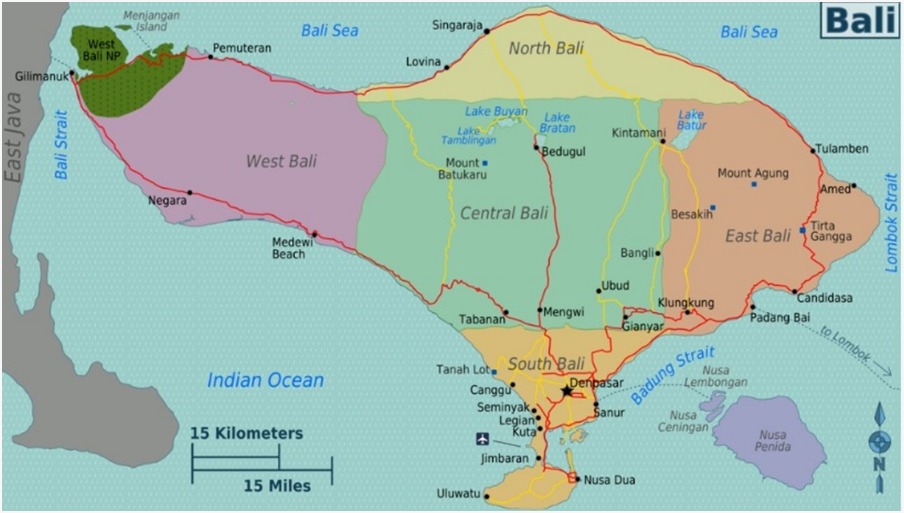
Zoning land in Bali divides areas for specific uses like agriculture (Green), residential (Yellow/R-Zones), tourism (Pink), and commercial/industrial (Red), ensuring planned, sustainable development while preserving culture and nature; it dictates what you can build, with rules varying by regency, requiring checks via local BPN offices or experts before any investment to avoid legal issues and align projects with Bali’s unique landscape and traditions.
Key Bali Zoning Colors& Types
- Green Zone: Agriculture, conservation, open spaces. Building is highly restricted, mainly for farming or eco-development.
- Yellow Zone: Residential areas (R-2, R-3, R-4), allowing for houses, villas, and short-term rentals (PondokWisata).
- Pink Zone (Tourism): Hotels, resorts, villas, restaurants.
- Red Zone (Commercial/Industrial): Shops, offices, industrial activities.
- Orange Zone (Mixed-Use): Blends residential and commercial uses, common for vibrant communities.
- Brown Zone: Cultural and sacred heritage sites, with strict development controls.
Why Zoning Matters
- Sustainability: Balances development with environmental conservation.
- Legality: Prevents legal problems by ensuring your building plans are allowed.
- Cultural Preservation: Maintains Bali’s unique character, traditions, and natural beauty.
How to Check Zoning
- Local BPN: Contact the Badan Pertanahan Nasional (National Land Agency) offices.
- Online Systems: Some regencies, like Badung, offer online zoning checks.
- Local Experts: Real estate agents or legal professionals familiar with Bali’s zoning laws are essential resources.


Comments